Dandi Desta
I’m a junior studying electrical engineering at Harvard, trying to learn as much as I can!
Selected work
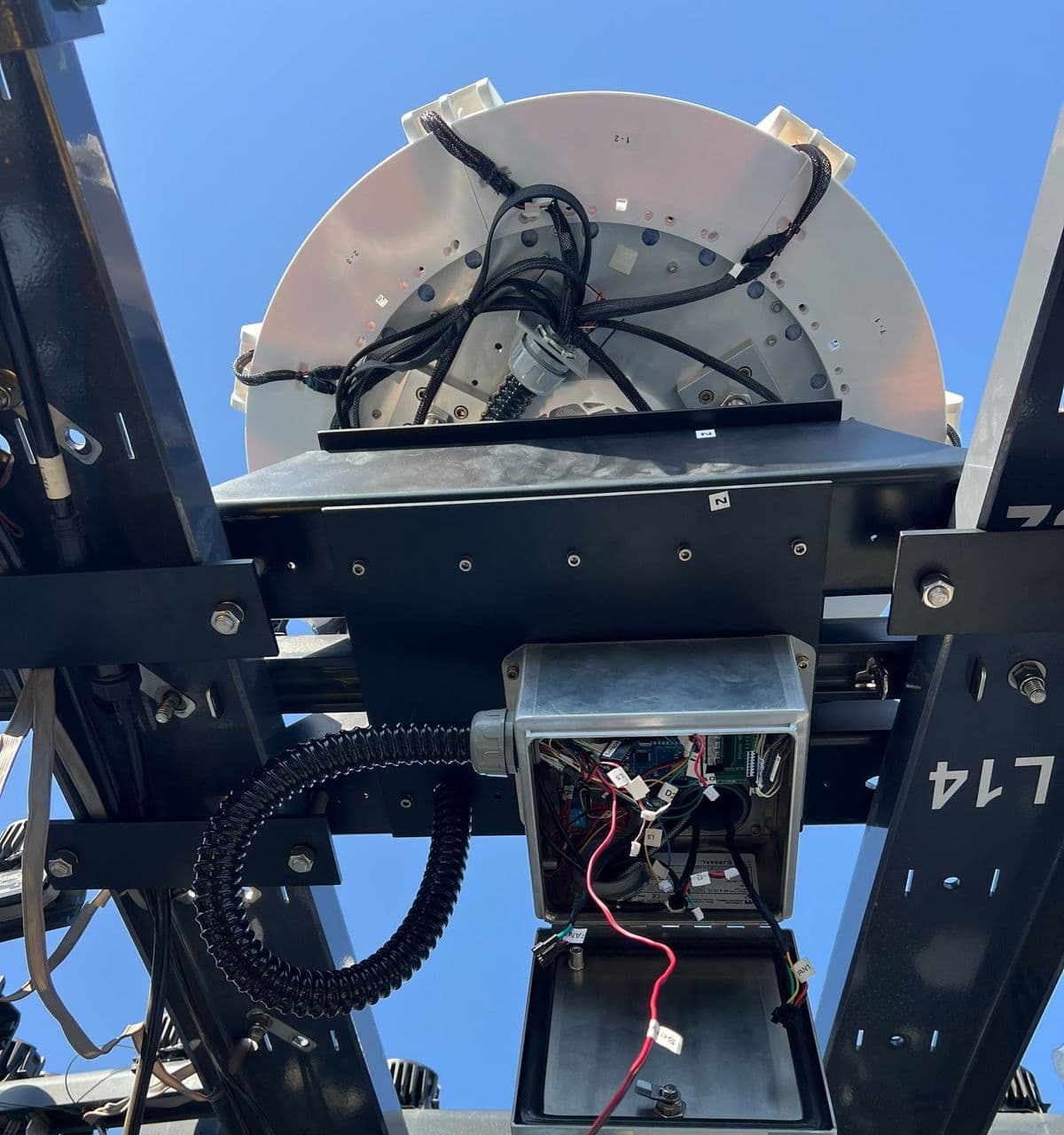
Embedded · Python · Summer 2025
Shade control and star calibration for an observatory camera array
A fail-safe for the sun-shade controller in the Galileo Project's camera enclosures, and a star-field pipeline that solves each visible camera's orientation.
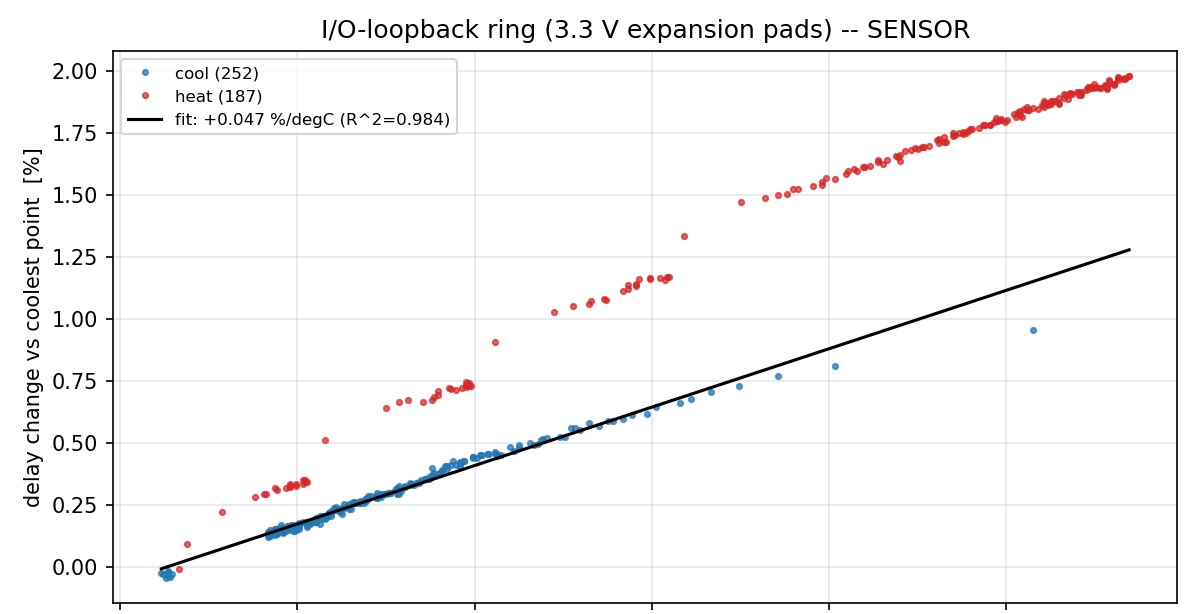
FPGA · SystemVerilog · 2026
Propagation delay vs. die temperature on an FPGA
Ring oscillators through the 3.3 V I/O buffers and the 1.0 V core, hardware frequency counters, fabric heaters with a supply governor, and XADC telemetry on an Artix-7. Built for the CS 1410 labs.
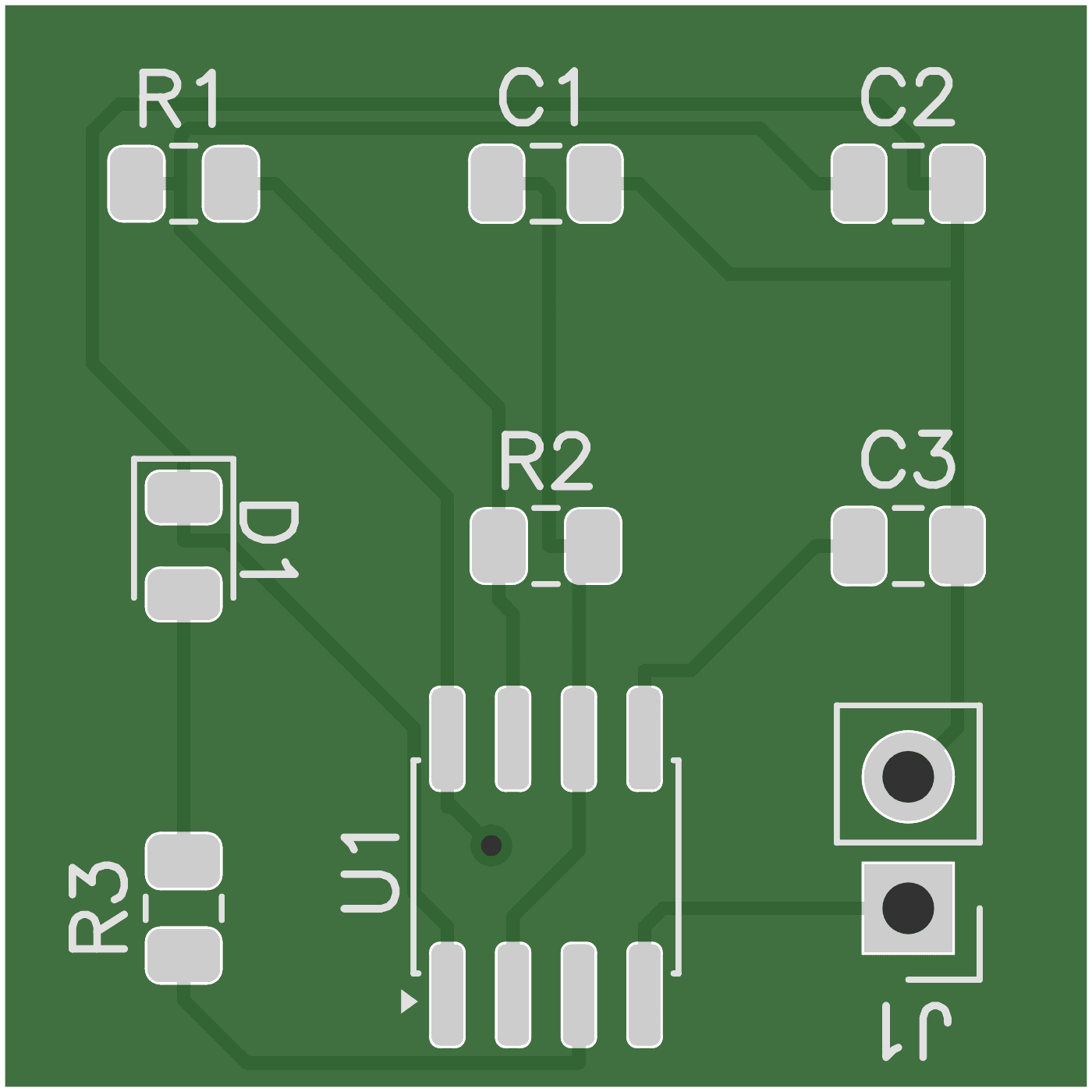
EDA · TypeScript · 2026
Sirkit: from a circuit description to checked fabrication files
An EDA pipeline that builds a netlist from KiCad-library parts, places and routes a two-layer board, and writes Gerber and drill files only after DRC, parity and parse-back checks pass. JLCPCB fabricated a generated board, and it works.
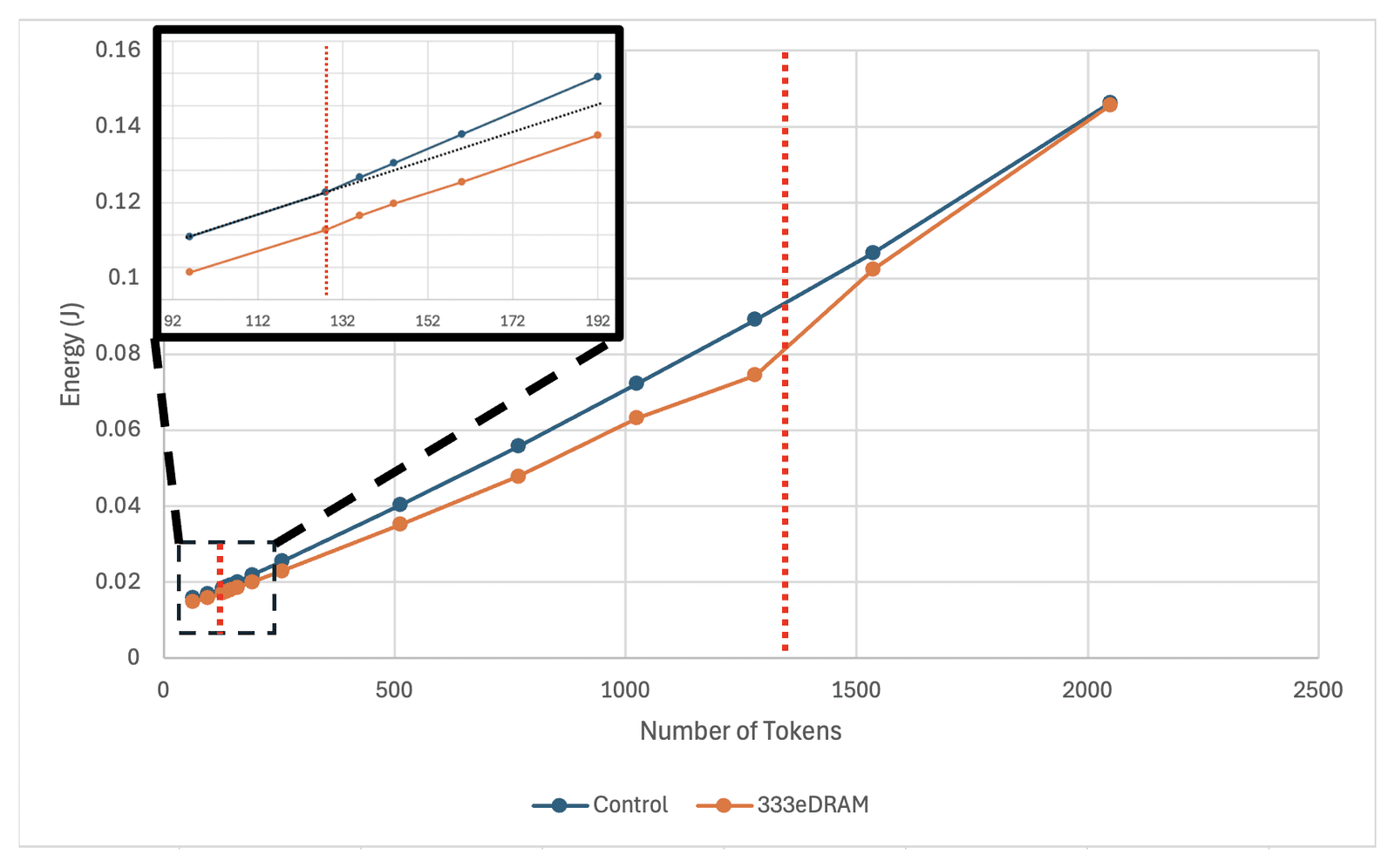
Computer architecture · 2026
333-eDRAM as buffer memory in a TPU-style accelerator
Modeling dense monolithic-3D eDRAM in place of SRAM buffers on a GPT-3 block, and what changed when the memory models were rebuilt on a same-tool baseline.
Coursework
| Course | Number | Level |
|---|---|---|
| Hardware Architecture for Deep Learning | MIT 6.5930 | Graduate |
| Electronics for Scientists | Physics 223 | Graduate |
| Information Theory | ES 250 | Graduate |
| Advanced Introduction to Robotics | ES 259 | Graduate |
| Computing Hardware | CS 1410 | Undergraduate |
| Digital Systems Laboratory (current) | MIT 6.2050 | Undergraduate |
| Circuits, Devices, and Transduction | ES 152 | Undergraduate |
| Introduction to Electronic and Photonic Devices | ECE 173 | Undergraduate |
| Signals and Communications | ES 156 | Undergraduate |
| Systems and Control | ECE 155 | Undergraduate |
| Modern Electric Power Systems | ES 145 | Undergraduate |
| Systems Programming and Machine Organization | CS 61 | Undergraduate |
| Introduction to Machine Learning | MIT 6.3900 | Undergraduate |
| Introduction to Computer Science | CS 50 | Undergraduate |
| Introduction to Probability | Stat 110 | Undergraduate |
| Ordinary and Partial Differential Equations | AM 105 | Undergraduate |
| Multivariable Calculus | Math 21a | Undergraduate |
| Vector Calculus and Linear Algebra I | Math 22a | Undergraduate |